

The good news? Exercise doesn't have to be complicated or miserable. Once you understand a few basics, it becomes something you actually stick with — and even enjoy. Here's a practical, no-nonsense guide to help you build a routine that works for you.
Why Exercise Matters (Beyond Just Looking Good)
Sure, exercise helps with weight and appearance, but that's honestly the smallest part of the story. Regular movement does a lot more for you:
Boosts your mood and reduces stress and anxiety
Improves sleep quality
Strengthens your heart, lungs, and muscles
Increases energy levels throughout the day
Reduces risk of chronic diseases like diabetes and high blood pressure
Sharpens focus and mental clarity
Once you start feeling these benefits, exercise stops being a chore and starts being something you actually look forward to.
Step 1: Figure Out Your "Why"
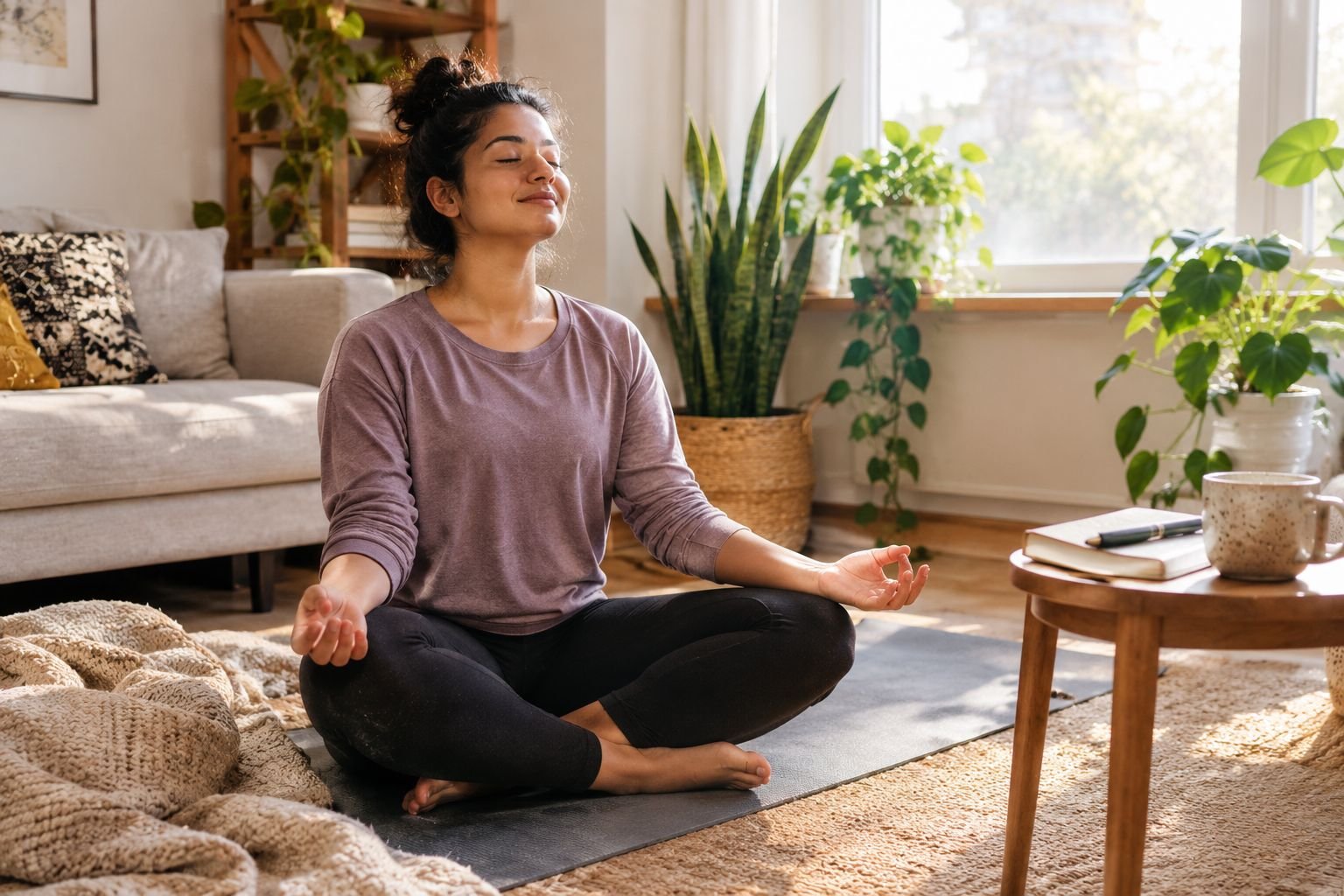
Before picking a workout plan, ask yourself why you actually want to exercise. Is it for energy? Stress relief? Strength? Weight management? Your "why" shapes what kind of exercise will keep you motivated. Someone exercising for stress relief might love yoga or walking, while someone chasing strength might prefer weightlifting.
Step 2: Start Small — Seriously
One of the biggest mistakes people make is going all-in on day one. Two-hour gym sessions, five days a week, right out of the gate — that's a recipe for burnout or injury. Start with 20–30 minutes, 3 times a week. Build consistency first, intensity later.
Step 3: Mix Different Types of Exercise
A well-rounded routine usually includes:
Cardio (walking, jogging, cycling, swimming) — for heart health and endurance
Strength training (weights, resistance bands, bodyweight exercises) — for muscle and bone health
Flexibility work (stretching, yoga) — for mobility and injury prevention
Balance exercises — especially important as we age
You don't need to do all four every day. Just make sure they show up across your week.
Step 4: Warm Up and Cool Down
Skipping the warm-up is like starting your car in freezing weather and immediately flooring it. Spend 5–10 minutes warming up your muscles before intense activity, and take a few minutes afterward to stretch and let your heart rate come down gradually.
Step 5: Listen to Your Body
Soreness after a new workout is normal. Sharp pain is not. Learn the difference. Pushing through actual pain often leads to injuries that set you back weeks or months. Rest days aren't a sign of weakness — they're part of the process.
Step 6: Make It Convenient
The best workout is the one you'll actually do. If a gym is too far, try home workouts. If you hate running, try dancing or cycling instead. Convenience and enjoyment beat "perfect" plans every time.
Step 7: Track Progress, Not Perfection
Use a simple journal or app to note your workouts, how you felt, and small wins — an extra rep, five more minutes, better sleep that night. Progress isn't always visible in the mirror right away, but it shows up in small, steady signs.
Final Thoughts
Exercise isn't about punishing your body — it's about taking care of it. Start small, stay consistent, mix things up, and give yourself grace on the harder days. Over time, these small efforts add up into real, lasting change — not just in how you look, but in how you feel, think, and live.
https://cp.gthost.com/en/join/803585de87b3603d0c871cab8bf73978
Promocodes : KhanIT
Frequently Asked Questions
How do I comment on a Articlesblog article?
Scroll to the Comments section at the bottom of any article, enter your name, email, and message, and click Post Comment. No account is needed, but every comment is moderated — it appears publicly only after the editorial team approves it. See the Privacy Policy for how details are handled.
Why hasn't my comment appeared?
Comments are held for review by default. If yours has not appeared, it is still pending or was rejected during moderation; approved comments appear on the article automatically. If it has been waiting more than a day or two, send a note through the contact page.
How do I share a Articlesblog article?
Every article has a share bar with buttons for Facebook, X, Pinterest, LinkedIn, WhatsApp, Threads, Instagram, TikTok, and YouTube, plus a Copy Link button. Clicking a button opens that network's share window with the article link and title already filled in.
How does Articlesblog pick related articles?
The Related Articles sidebar and the More to Read section show up to four other published articles from the same category, ranked by view count, with popular articles from elsewhere on the site added when the category is new. Tags under each article link to related searches.
Does an article show when it was last updated?
Article pages show the author, publish date, reading time, and view count. A separate last-updated date is not displayed at present, so treat the publish date as the article's currency. Ask the team about a specific article's revision history via the contact page.


Comments (0)
Be the first to comment!
Leave a Comment