
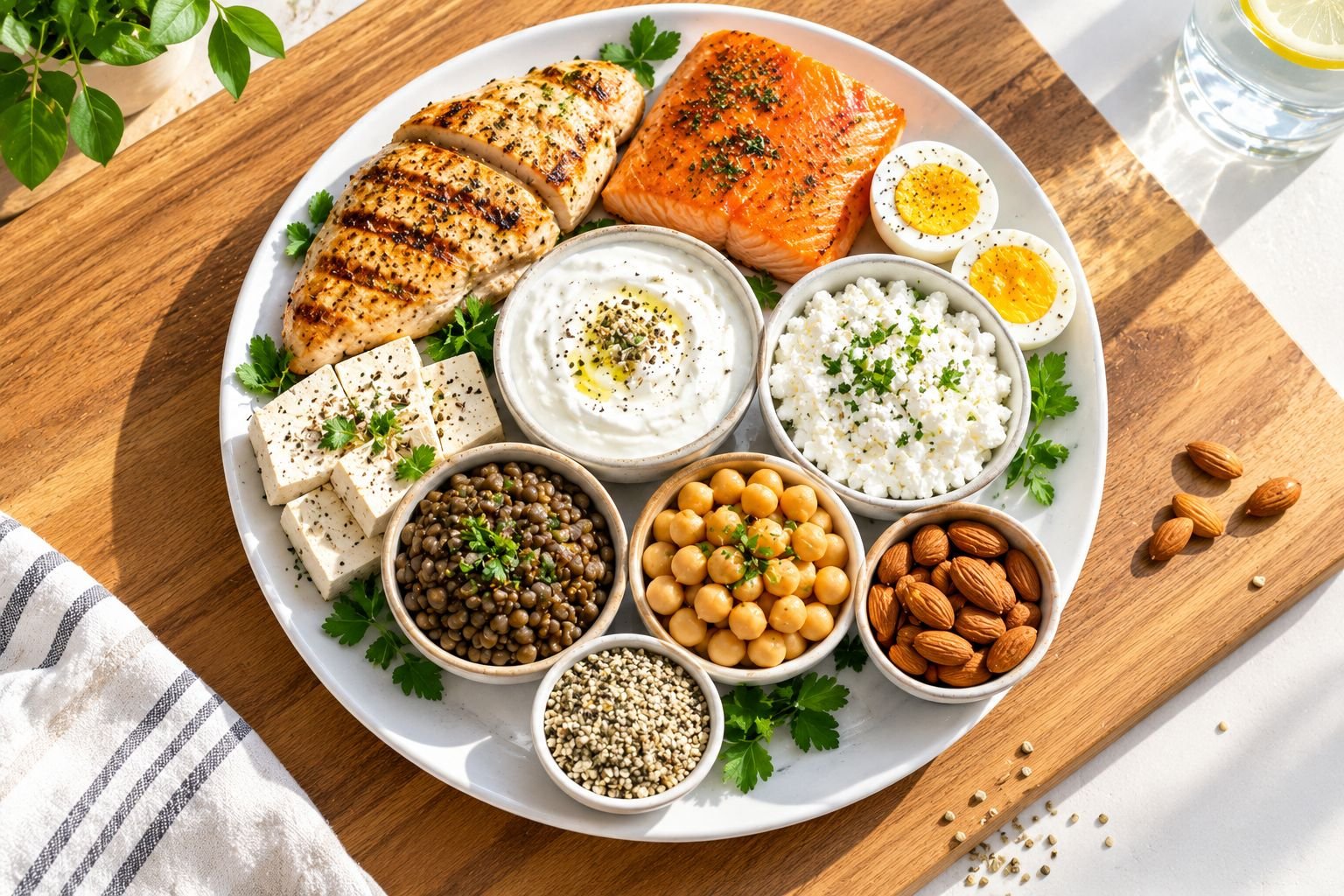
Done right, a single meal prep session can genuinely set up your entire week, save hours of daily decision-making, and make weeknights dramatically less stressful. Here's how to actually pull it off without it turning into a five-hour kitchen disaster.
## Plan Before You Shop, Not While You're Standing in the Aisle
Meal prep falls apart at the planning stage more often than the cooking stage. Before you buy anything, decide:
- How many meals you actually need (breakfast, lunch, dinner, snacks, or just some of these)
- How many different meals you want, versus repeating the same one a few times
- What you already have in your fridge and pantry that needs to be used up
A simple starting point for beginners: pick 2-3 proteins, 2-3 carbs or grains, and a handful of vegetables that can be mixed and matched into several different meals. This keeps shopping simple and avoids buying ten different specialty ingredients for ten different recipes.
## Choose Recipes That Can Cook Simultaneously
The real secret to prepping a week's worth of food in one session isn't cooking faster, it's cooking multiple things at the same time. Look for a mix of:
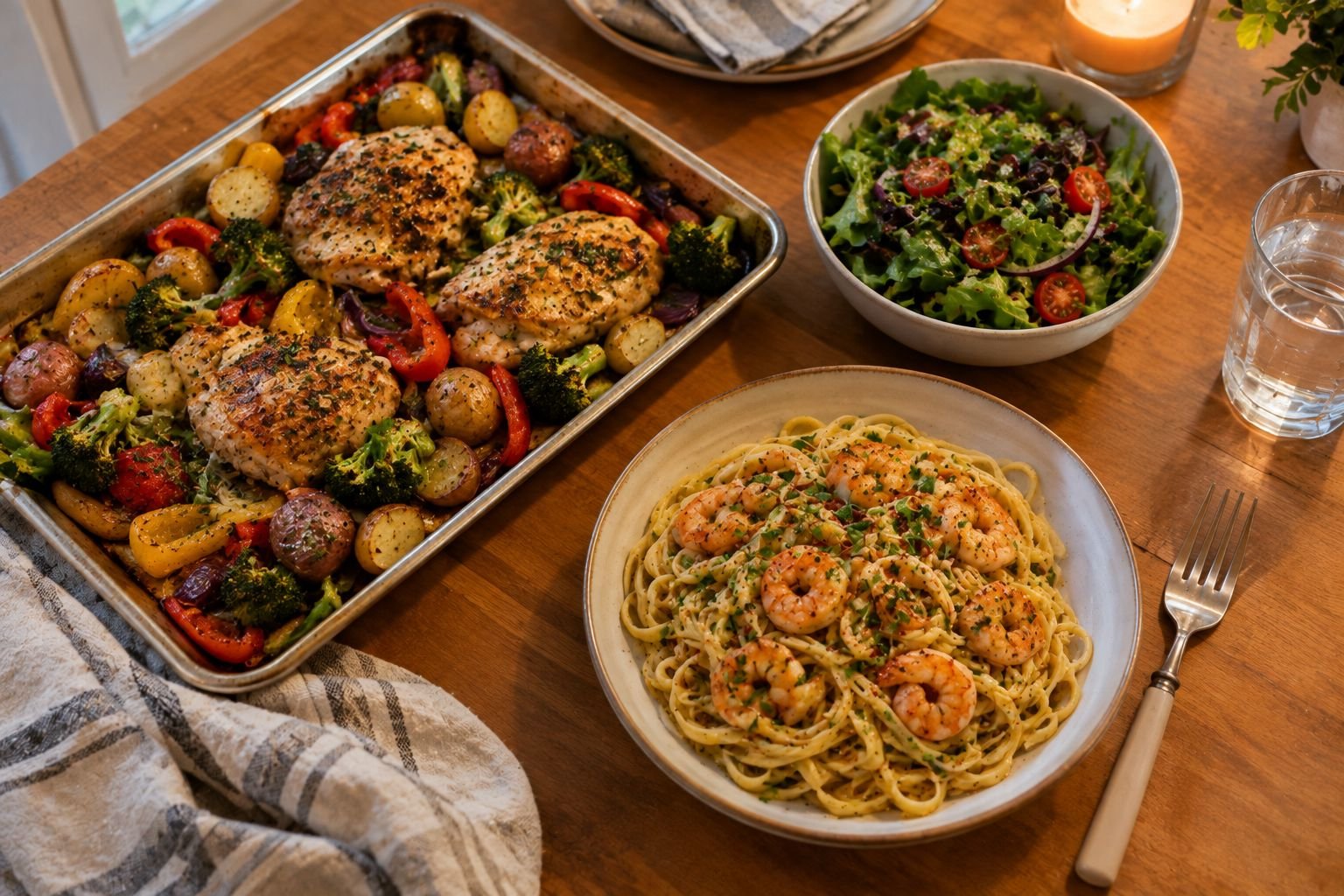
- One or two things that go in the oven (roasted vegetables, baked chicken, sheet pan proteins)
- One or two things that cook on the stovetop (grains, beans, sauces)
- Something that can cook hands-off, like a slow cooker or rice cooker running in the background
This lets you layer tasks instead of doing them one at a time, which is what actually makes a single session efficient instead of exhausting.
## Prep in This Order to Save the Most Time
A smart sequence prevents a lot of the chaos that makes meal prep feel overwhelming:
1. **Start anything that takes the longest first** — roasting vegetables, baking proteins, or starting a slow cooker.
2. **While that's cooking, prep raw ingredients** — chopping vegetables, washing greens, measuring out grains.
3. **Cook stovetop items next** — grains, beans, or sauces, while the oven items continue cooking.
4. **Assemble containers last**, once everything is cooked and slightly cooled.
This overlapping approach means you're rarely just standing around waiting, and rarely juggling everything at once either.
## Cook Proteins in Bulk, Multiple Ways
Instead of making one big batch of the exact same seasoned protein, split it into two or three different flavor profiles so you're not eating the identical thing five days in a row. For example, cook a large batch of chicken breast, then divide it: season one portion with taco spices, another with Italian herbs, and another with a simple garlic and lemon marinade. Same base ingredient, three different meals.
## Don't Skip the Vegetables
Vegetables are the easiest thing to under-prep, and the first thing that gets skipped when people are tired later in the week. Roast two or three trays of different vegetables during your session so you're not relying on willpower to chop and cook them fresh every single night. Roasted vegetables also reheat well, unlike a lot of raw prepped veggies that go soggy or wilt.
## Use the Right Containers for the Right Foods
Good storage makes a bigger difference than people expect. A few tips:
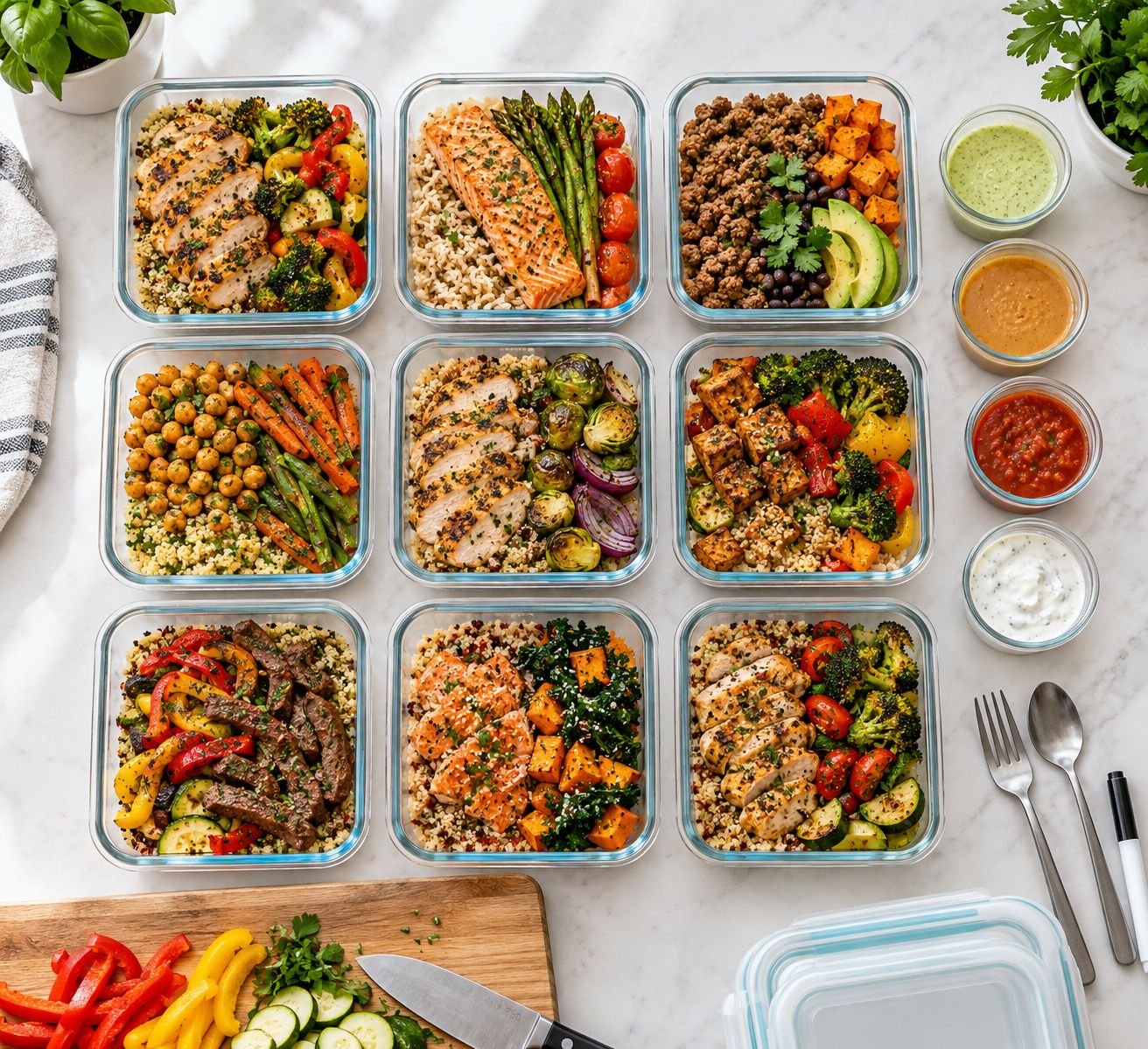
- Use glass or BPA-free containers that can go in the microwave for easy reheating.
- Store sauces and dressings separately so ingredients don't get soggy sitting together for days.
- Use compartment containers for meals with multiple components, especially if some items need to stay separate until eating.
- Label containers with the day or contents if you're prepping multiple different meals, so you're not guessing later in the week.
## Don't Try to Prep Every Single Meal Fully Assembled
One common mistake is trying to make every meal completely finished and packaged like a ready-made lunch. This often leads to soggy, sad leftovers by day four. Instead, prep components separately when possible (protein, grain, vegetables, sauce) and assemble fresh right before eating. It takes an extra minute or two per meal but dramatically improves how the food tastes and holds up.
## Build in a Little Variety to Avoid Meal Fatigue
Eating the exact same meal five days straight sounds efficient until you're staring at it on day three, completely over it. Combat this by:
- Prepping two or three different proteins and rotating them throughout the week
- Using different sauces or seasonings on the same base ingredients
- Mixing up how meals are served (bowl one day, wrap the next, salad another day) using the same core prepped ingredients
This small amount of variety goes a long way in actually finishing what you prepped instead of ordering takeout out of boredom by Thursday.
## Clean As You Go
The biggest reason people dread meal prep is the mountain of dishes at the end. Wash prep bowls, cutting boards, and utensils while things are cooking in the oven or on the stove, rather than letting everything pile up until the very end. A clean kitchen at the finish line makes the whole process feel far less draining.
## Set a Realistic Time Expectation
A full week of meal prep, done efficiently, usually takes somewhere between 90 minutes and 2.5 hours, depending on how many meals and how much variety you're prepping. If your first attempt takes longer, that's completely normal. The process gets faster each time as you get more comfortable with the rhythm and figure out what workflow suits you.
## Final Thought
Meal prepping for a whole week in one session isn't about being a kitchen superhero or having unlimited free time on a Sunday. It's about having a simple system: plan ahead, cook multiple things simultaneously, prep components rather than fully assembled meals, and build in a bit of variety so you actually want to eat what you made. Once the system clicks, one focused session really can carry you through a much easier week.
Frequently Asked Questions
How do I comment on a Articlesblog article?
Scroll to the Comments section at the bottom of any article, enter your name, email, and message, and click Post Comment. No account is needed, but every comment is moderated — it appears publicly only after the editorial team approves it. See the Privacy Policy for how details are handled.
Why hasn't my comment appeared?
Comments are held for review by default. If yours has not appeared, it is still pending or was rejected during moderation; approved comments appear on the article automatically. If it has been waiting more than a day or two, send a note through the contact page.
How do I share a Articlesblog article?
Every article has a share bar with buttons for Facebook, X, Pinterest, LinkedIn, WhatsApp, Threads, Instagram, TikTok, and YouTube, plus a Copy Link button. Clicking a button opens that network's share window with the article link and title already filled in.
How does Articlesblog pick related articles?
The Related Articles sidebar and the More to Read section show up to four other published articles from the same category, ranked by view count, with popular articles from elsewhere on the site added when the category is new. Tags under each article link to related searches.
Does an article show when it was last updated?
Article pages show the author, publish date, reading time, and view count. A separate last-updated date is not displayed at present, so treat the publish date as the article's currency. Ask the team about a specific article's revision history via the contact page.

Comments (0)
Be the first to comment!
Leave a Comment