
The good news is that vegan meal prep doesn't need to be complicated, expensive, or reliant on ingredients you've never heard of. With a few reliable building blocks, you can prep a week's worth of meals that are actually filling and something you'll look forward to eating.
## Start With the Building Block Method, Not Full Recipes
As a beginner, it's much easier to prep a few core components separately and mix them together throughout the week, rather than committing to five completely different full recipes. This keeps things flexible and prevents food boredom.
A solid weekly base usually includes:
- **A grain** — rice, quinoa, farro, or pasta
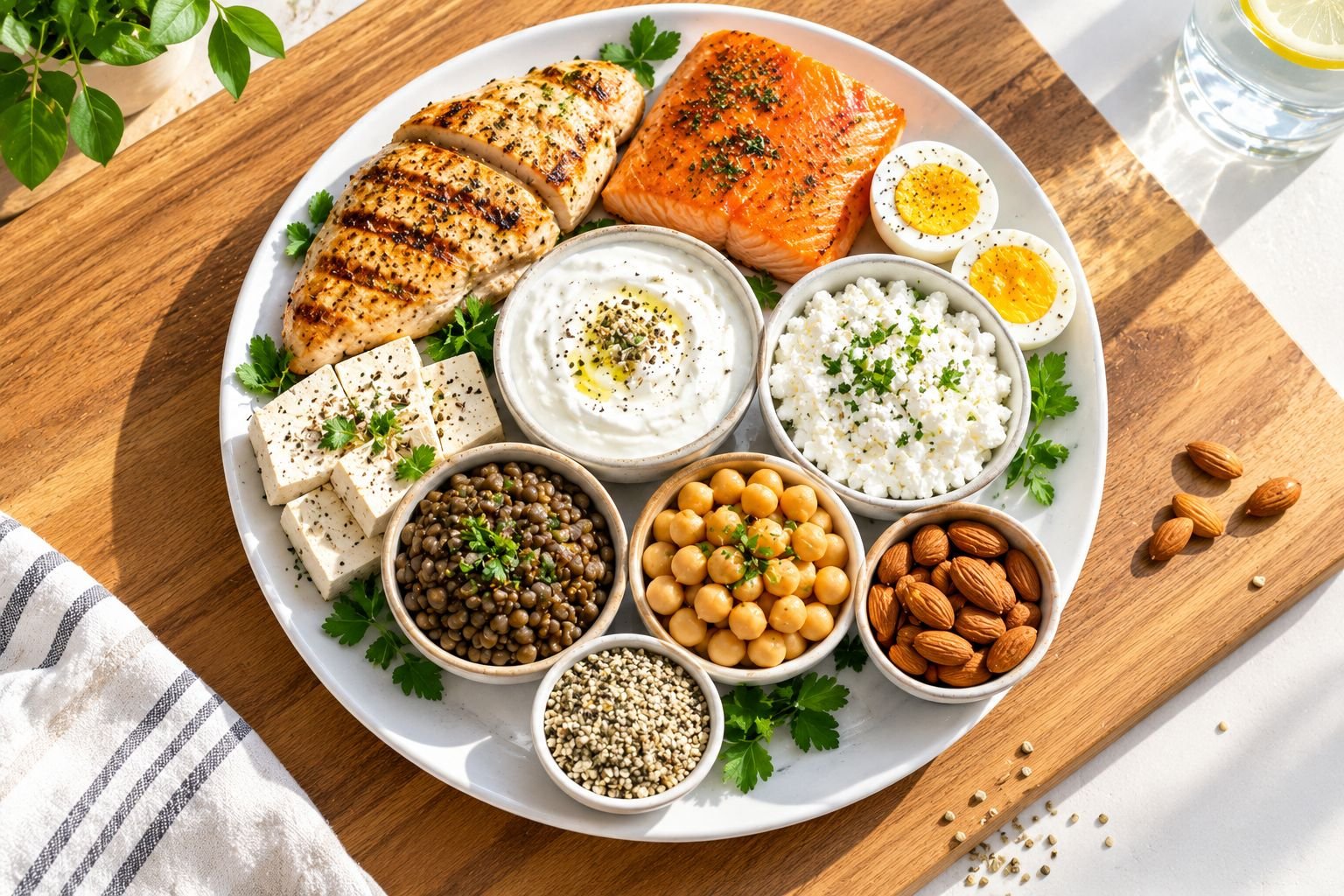
- **A protein** — chickpeas, lentils, tofu, black beans, or edamame
- **Roasted or raw vegetables** — whatever's in season or on sale
- **A sauce or dressing** — this single ingredient does most of the work in making meals taste different from each other
Once you have these four elements prepped, you can combine them in different ways all week without cooking from scratch every single day.
## Chickpea and Quinoa Power Bowls
Roast chickpeas with olive oil and your favorite seasoning until crispy, cook a batch of quinoa, and prep some roasted vegetables like sweet potato and broccoli. Combine them in containers and top with a tahini or peanut sauce. This bowl reheats well and keeps you full for hours thanks to the fiber and protein combo.
## Lentil and Veggie Meal Prep Bowls
Lentils are one of the most beginner-friendly plant proteins because they cook quickly and don't require soaking. Simmer lentils with garlic, cumin, and a bit of vegetable broth, then pair with rice and roasted vegetables. It's hearty, budget-friendly, and holds up well in the fridge for several days.
## Tofu Stir-Fry Meal Prep
Press and cube tofu, pan-fry until golden, and toss with a simple soy-garlic sauce. Stir-fry a mix of vegetables like bell peppers, broccoli, and carrots, then serve over rice or noodles. Stir-fries are forgiving and work with almost any vegetable combination, which makes them great for using up whatever's left in your produce drawer.
## Black Bean and Sweet Potato Tacos
Roast diced sweet potatoes with chili powder and cumin, warm up seasoned black beans, and prep a batch of shredded cabbage or a quick lime slaw. Store the components separately and assemble tacos fresh each day for lunch or dinner, so the tortillas don't get soggy sitting in the fridge.
## Mason Jar Salads That Actually Stay Fresh
The trick to a salad that survives multiple days in the fridge is layering: dressing on the bottom, sturdier vegetables next, protein and grains in the middle, and leafy greens on top, away from the dressing until you're ready to eat. This keeps everything crisp instead of soggy by day three.
## Vegan Chili (Big Batch, Freezer Friendly)
Chili is an easy win for beginners because it's forgiving, filling, and made almost entirely from pantry staples. Combine canned beans, tomatoes, corn, and chili seasoning, and let it simmer. Make a large batch on the weekend, portion it into containers, and freeze half for a no-effort dinner a few weeks later.
## Peanut Noodle Bowls
Cook noodles, toss with a simple peanut sauce (peanut butter, soy sauce, a little lime juice, and water to thin it out), and add shredded carrots, cucumber, and edamame. It's just as good cold as it is reheated, which makes it especially convenient for lunches.
## Overnight Oats for Vegan Breakfasts
Meal prep doesn't stop at lunch and dinner. Combine oats, plant-based milk, chia seeds, and a bit of maple syrup in a jar, refrigerate overnight, and top with fruit or nut butter in the morning. It takes five minutes to prep a batch that covers several breakfasts.
## Roasted Vegetable and Hummus Wraps
Roast a mix of vegetables like zucchini, peppers, and red onion, spread hummus on a tortilla, and wrap it all up with some greens. These hold up surprisingly well when wrapped tightly and refrigerated, making them an easy grab-and-go lunch option.
## A Few Tips to Make Vegan Meal Prep Easier as a Beginner
- **Don't try to make everything from scratch at first.** Canned beans, frozen vegetables, and pre-made sauces are completely fine shortcuts, especially while you're still building the habit.
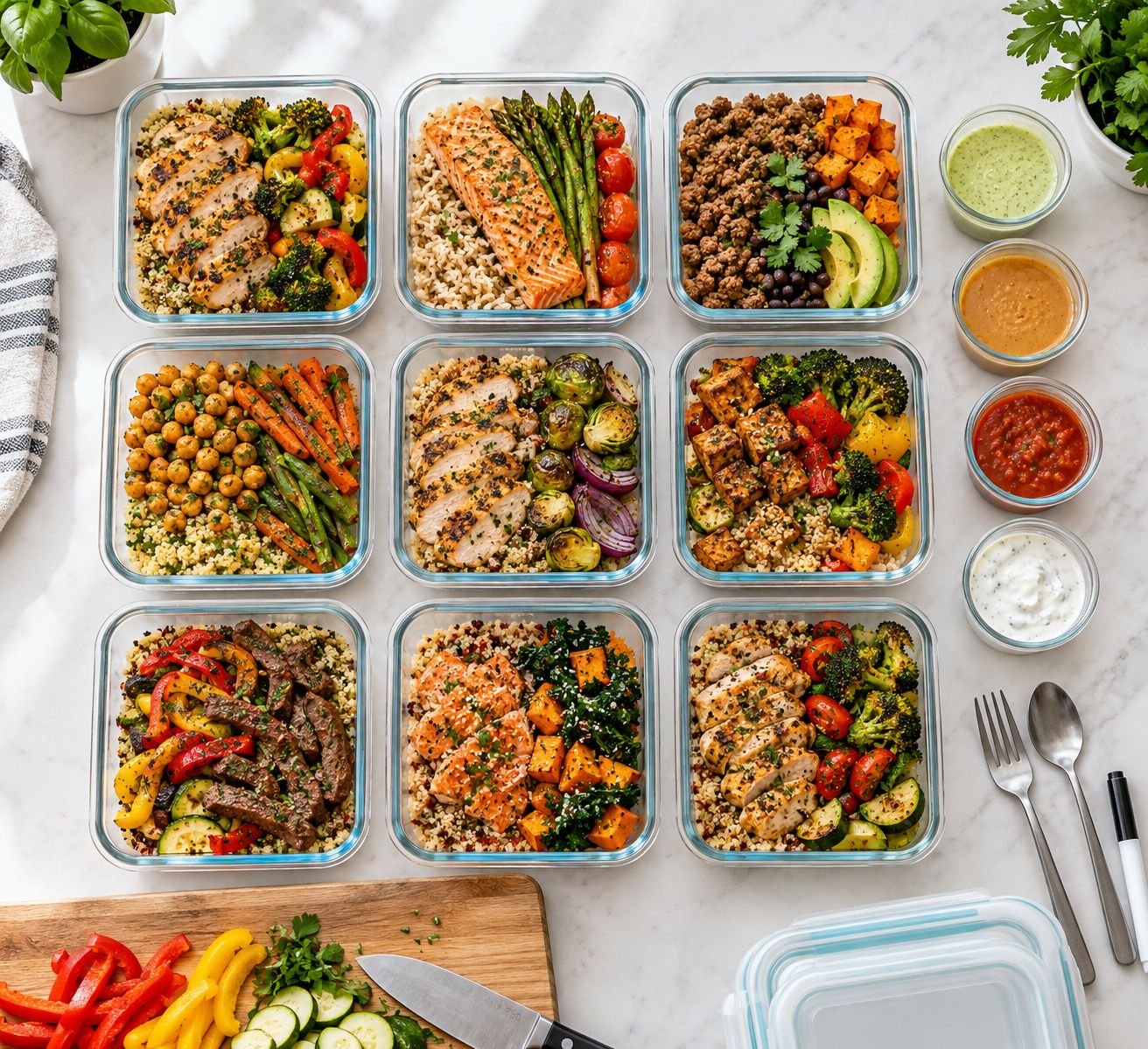
- **Invest in good storage containers.** Glass containers with separate compartments make it easier to keep components fresh and mix-and-match throughout the week.
- **Batch cook grains and proteins on one day**, even if you assemble the actual meals later in the week. This is what saves the most time overall.
- **Season generously.** A common beginner mistake is under-seasoning plant-based meals, which can make them taste bland compared to what you're used to. Don't be shy with garlic, spices, and sauces.
- **Repeat what works.** You don't need a different recipe every single day. Repeating two or three go-to combinations each week is completely normal and sustainable.
## Final Thought
Vegan meal prep doesn't have to mean elaborate recipes or a pantry full of unfamiliar ingredients. With a handful of simple building blocks like grains, plant proteins, roasted vegetables, and a good sauce, you can put together a full week of filling, satisfying meals without much daily effort. Start simple, repeat what you enjoy, and let your rotation grow naturally as you get more comfortable.
https://www.hostinger.com/pk?REFERRALCODE=khanit
Promocodes : khanit
https://cp.gthost.com/en/join/803585de87b3603d0c871cab8bf73978
Frequently Asked Questions
How do I comment on a Articlesblog article?
Scroll to the Comments section at the bottom of any article, enter your name, email, and message, and click Post Comment. No account is needed, but every comment is moderated — it appears publicly only after the editorial team approves it. See the Privacy Policy for how details are handled.
Why hasn't my comment appeared?
Comments are held for review by default. If yours has not appeared, it is still pending or was rejected during moderation; approved comments appear on the article automatically. If it has been waiting more than a day or two, send a note through the contact page.
How do I share a Articlesblog article?
Every article has a share bar with buttons for Facebook, X, Pinterest, LinkedIn, WhatsApp, Threads, Instagram, TikTok, and YouTube, plus a Copy Link button. Clicking a button opens that network's share window with the article link and title already filled in.
How does Articlesblog pick related articles?
The Related Articles sidebar and the More to Read section show up to four other published articles from the same category, ranked by view count, with popular articles from elsewhere on the site added when the category is new. Tags under each article link to related searches.
Does an article show when it was last updated?
Article pages show the author, publish date, reading time, and view count. A separate last-updated date is not displayed at present, so treat the publish date as the article's currency. Ask the team about a specific article's revision history via the contact page.
Comments (0)
Be the first to comment!
Leave a Comment